Tokyo is full of car stuff that looks great on the internet and turns out to be a shop selling the same wheels you could have ordered from home. You do Daikoku, you do the meets, and somewhere in there you start wondering where the scene actually lives during the day.
A big part of the answer is a three-storey building next to Shinonome Station on Tokyo Bay. From the outside, A PIT Autobacs Shinonome looks like a very large Autobacs. It isn't. It's the flagship, and it's built so that someone who walked in off the train with no car, no Japanese and no plan can still leave understanding how Japanese car culture works.
The site has been Autobacs' Tokyo Bay flagship since the late '90s, back when it opened as a Super Autobacs. In November 2018 it was rebuilt as A PIT, and the idea changed with it. A normal Autobacs is where you go when your car needs something. This one is where you go because you like cars.
Three floors, three reasons to stay
Most parts chains sell maintenance. A PIT sells the whole scene, and it stacks it by floor.
Ground floor is the working part of the building: tyres, oil, shaken inspections, bodywork and a self-service wash. It's a pit box, basically. People drop their cars off and go upstairs while the work gets done, which is the whole point of the name.
Second floor is why people who don't own a car in Japan still lose an hour here. There's a TSUTAYA bookstore stacked with car books and tuning magazines you will never see on a shelf outside Japan. There's a Starbucks under a three-storey atrium, Pole Position for motorsport gear, and Bornelund if you brought kids who need something to do that isn't reading shift-knob prices.
Third floor is the enthusiast floor, and it's the one you came for. Wheels and suspension, a RECARO corner where you can actually sit in the seat before you buy it, A PIT's own East cloud line, and HKS GATE TOKYO BAY.
The HKS corner
HKS GATE is HKS's own store format, and the Shinonome one was the first. It's built around seeing the parts, touching them and asking someone who knows, so there's catalogue stuff, prototypes and concept pieces on display, and HKS staff on the floor on scheduled days.
That last part matters. You're not asking a general store clerk about coilover damping. Check the store's site for the monthly HKS staff schedule if you want a proper conversation.
You're not paying for a museum. You're standing next to cars that still get driven.
The car park is half the visit
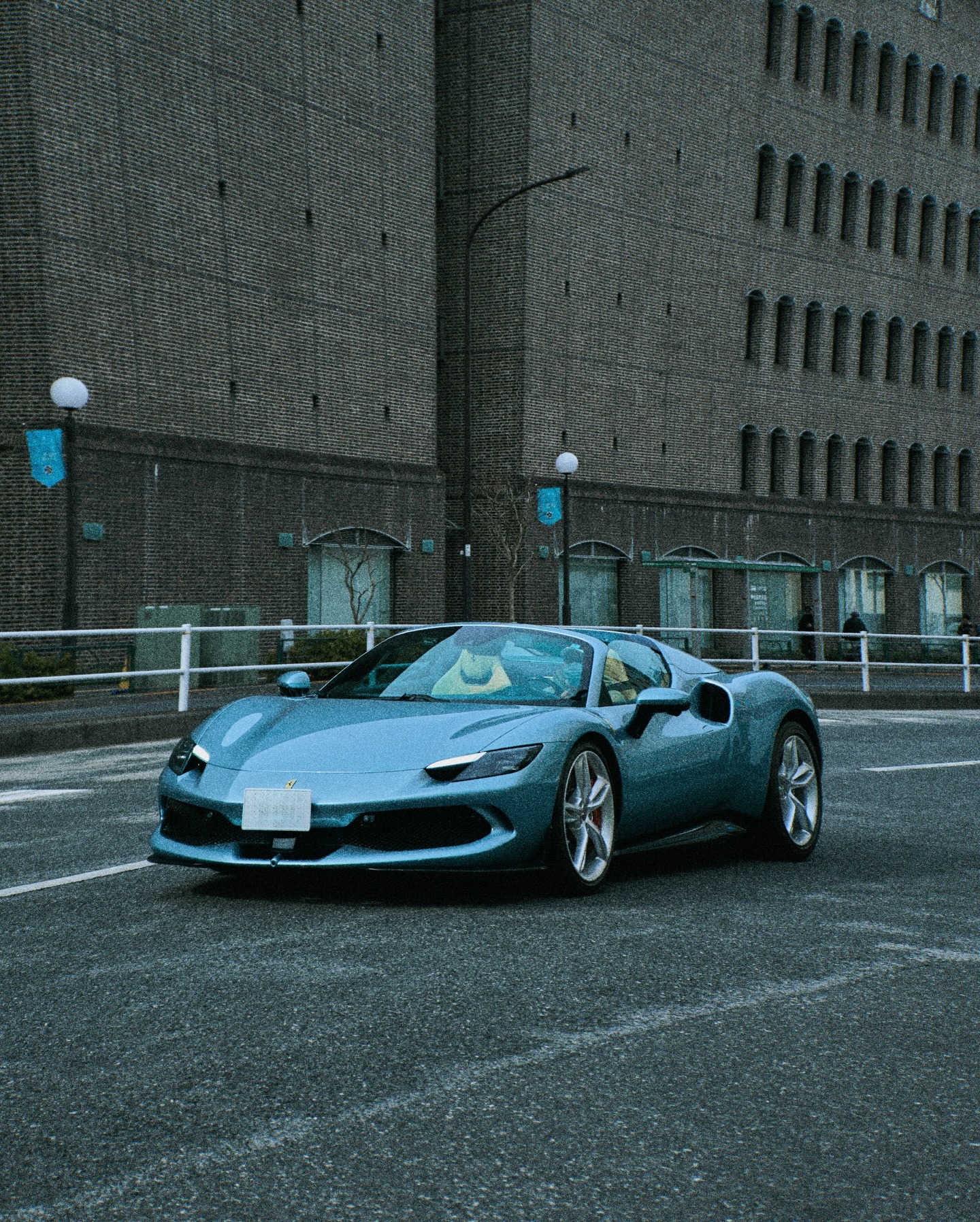
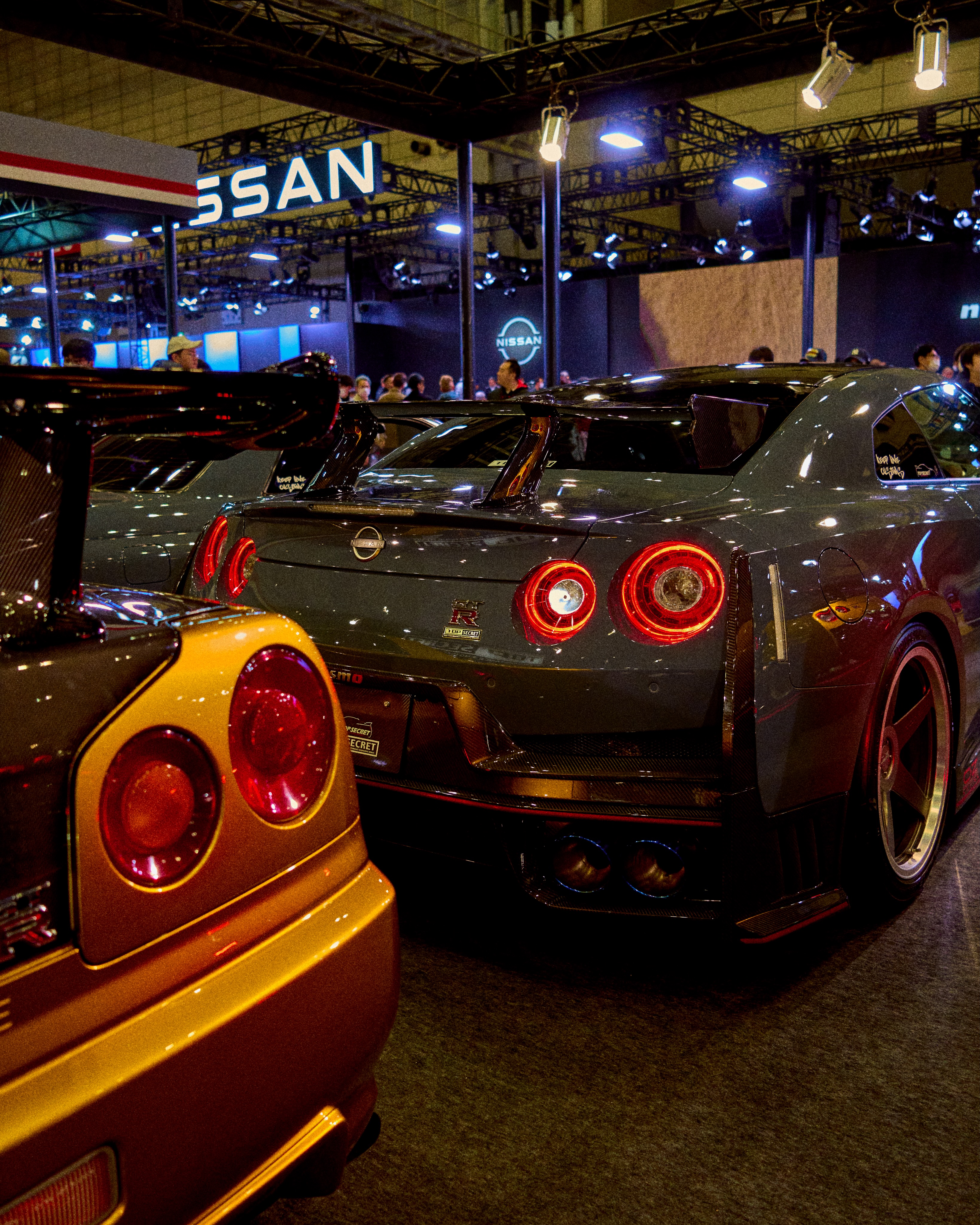
Don't skip the parking structure. Owners use it, which means on a good day the roof and the lower levels turn into a free car show: tuned cars, GT-Rs, and whatever happened to roll in that morning. Weekends bring owner meets and brand days, so you might catch a whole club of Subarus or a row of GR86s lined up for an event.
Be respectful about it. These are people's cars, not exhibits. Shoot from a sensible distance and don't lean on anything.
It isn't UpGarage
People mix these up, so quickly: A PIT sells new parts. UpGarage is the used-parts hunt, and it's a different company in a different part of the city. Come to Shinonome for current catalogue parts, the brand corners, and merch you can actually fly home with. Go to UpGarage when you want to dig.
Getting there without a car
You don't need one. Shinonome Station on the Rinkai Line is about a minute's walk from the door. It slots neatly into an Odaiba day: one stop from Tokyo Big Sight, two from Tokyo Teleport. Stay on the train and the line runs through Osaki towards Shibuya and Shinjuku.
If you do drive, the multi-storey car park has a 2.1 m height limit. When we were there it was open 24 hours, the first hour was free in the daytime, and spending ¥2,000 in the store extended your free parking. Parking rules are exactly the kind of thing that changes, so check before you count on it.
Tax-free, and rules that keep moving
When we visited in 2025, A PIT ran tax-free the way Japan had for years: spend ¥5,500 or more, show your passport (or your Visit Japan Web QR code), be on a stay of under six months, and the tax came off at the till.
That's how it stood as of 2025, and it may well still work that way when you go. But Japan has been rewriting its rules for visitors a lot lately, and the store can change its own policies too, so treat this as a starting point, not a promise.
One change is already locked in. From 1 November 2026, Japan stops taking the tax off at the till. You pay the full price, tax included, and get the 10% back when you leave: show your purchases at customs at the airport before you check your bags, and take them out of Japan within 90 days. Keep the receipt with the goods and pack them in your carry-on. Whatever the date, ask at the counter how they're handling it.
What's worth buying
The small stuff. HKS and Mugen goods, books and magazines, badges, shift knobs, keychains, and detailing products that clear airline rules.
Wheels and exhausts are a different conversation. Japanese-market parts are built for JDM-spec cars, and a part that fits a car here can be the wrong fit, or illegal, on the same nameplate at home. Aerosols, oils and lithium batteries get refused or confiscated at the airport. If it doesn't fit in a suitcase, get a shipping quote before you pay, not after.
How to do it
Give it 90 minutes to two hours. Weekday mornings are quieter for shopping. Weekends are better for watching the car park and worse for finding a space in it.
Most signs are in Japanese. Part numbers aren't. Photograph the ones you like and look them up later, which also stops you buying a ¥40,000 intake at 11am on day two of a ten-day trip.
Short on time?
If your flight is tight and Shinonome is out of reach, A PIT JDM:BASE at Haneda Airport Garden is the small version: merch, diecast, tax-free, but no parts floor. It's a souvenir stop.
Shinonome is the real one. The video above walks through it from the inside: the roof, the garage, the exhaust wall, the HKS corner. Go for that feeling, not for a checklist of parts you already know.
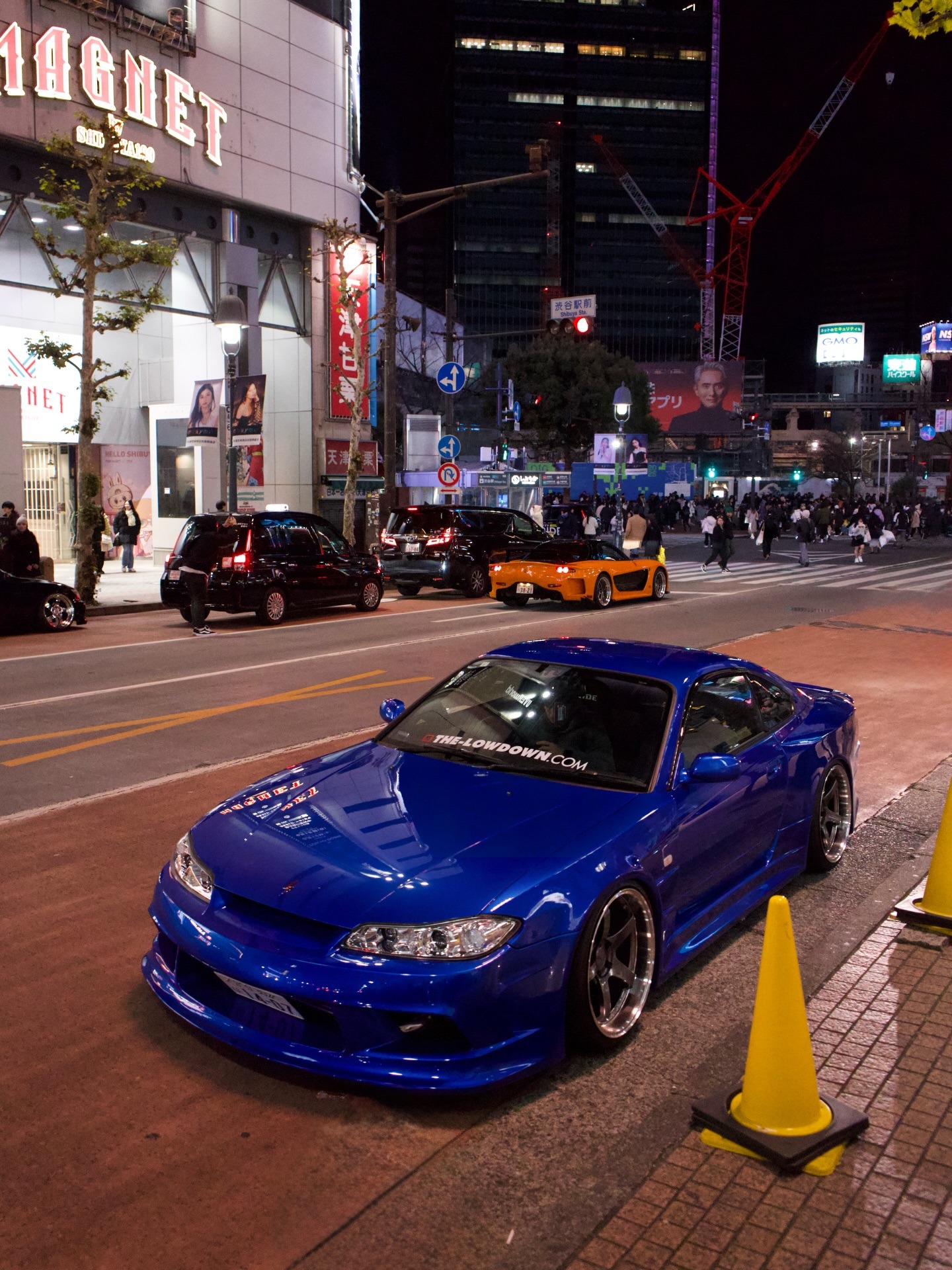
Planning a full Tokyo car trip? Eleven Frames of Tokyo runs from RWB's headquarters in Chiba to Nissan Crossing in Ginza, and Nissan Skylines in Tokyo shows where every Skyline generation turns up on the street.
Everything practical in this story (hours, parking, tax-free) is as of our 2025 visit. It may still be current, but stores and the government both change the rules, and Japan has been changing plenty lately. Before you go, check the official A PIT Shinonome site for current hours, events and the HKS staff schedule.
Photos: One Breath Pictures
Comments